In the culinary world, the pursuit of flavor perfection has long been a driving force behind innovation and technique. Among the various methods employed to enhance and preserve the delicate nuances of taste and aroma, sealed cooking stands out as a particularly effective approach. This technique, which involves preparing food in an airtight environment, has profound implications for the retention of volatile compounds—those elusive molecules responsible for the complex flavors and enticing aromas we associate with high-quality cuisine. Understanding the relationship between sealed cooking and volatile capture not only sheds light on the science of cooking but also offers practical insights for both professional chefs and home cooks seeking to elevate their culinary creations.
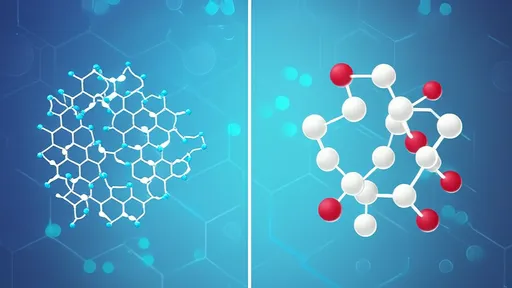
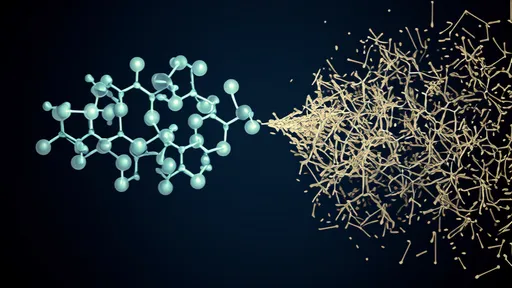
Volatile compounds are organic chemicals that have a high vapor pressure at room temperature, meaning they easily evaporate into the air. These compounds are crucial contributors to the flavor and aroma of food. They include a wide range of molecules, such as esters, aldehydes, ketones, and terpenes, each imparting specific sensory characteristics. For instance, the fresh scent of citrus comes from limonene, while the familiar aroma of garlic is due to allicin. However, because these compounds are volatile, they are easily lost during cooking through evaporation, especially when heat is applied. Traditional open cooking methods, such as boiling or frying, often lead to significant flavor loss as these delicate molecules escape into the atmosphere. This is where sealed cooking comes into play, acting as a barrier that traps these volatiles within the cooking environment.
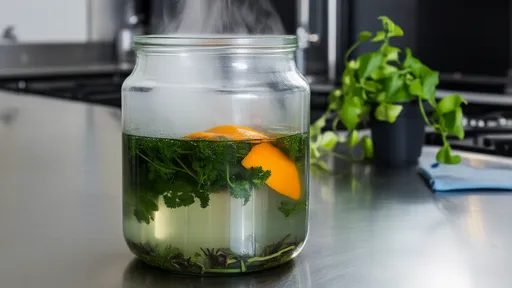
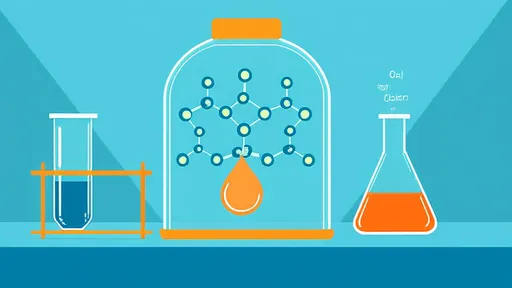
The principle behind sealed cooking is relatively straightforward: by creating an airtight enclosure, whether through a lid, foil, vacuum bag, or specialized equipment like a pressure cooker, the escape of volatile compounds is minimized. As the food cooks, the volatiles are released but remain confined within the sealed space. Instead of dissipating, they often recondense on the food or dissolve into the cooking liquids, thereby intensifying and preserving the flavor. This process is particularly evident in techniques such as braising in a covered pot, steaming in sealed packets, or sous-vide cooking, where food is vacuum-sealed and cooked at precise temperatures. The result is a dish that not only retains more of its inherent flavors but also develops a deeper, more complex taste profile due to the constant interaction between the food and its own aromatic compounds.
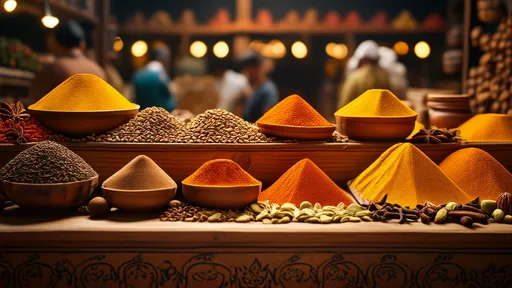
One of the most significant advantages of sealed cooking is its ability to preserve heat-sensitive volatiles. Many flavor compounds are delicate and can break down or evaporate quickly when exposed to high temperatures. In an open cooking setup, this degradation is accelerated as heat drives the volatiles away from the food. However, in a sealed environment, the internal atmosphere becomes saturated with these compounds, reducing the rate of evaporation and protecting them from excessive heat damage. This saturation effect means that even as cooking progresses, the flavors are continually reinforced rather than diminished. For example, when cooking herbs or spices in a sealed container, their essential oils—which are rich in volatiles—are retained and infused into the dish, resulting in a more vibrant and authentic taste.
Moreover, sealed cooking often enhances moisture retention, which further aids in flavor preservation. Many volatile compounds are water-soluble, meaning they can dissolve in the cooking juices or steam within the sealed environment. This not only prevents their loss but also allows them to be redistributed evenly throughout the food. In practices like pot roasting or cooking en papillote (in parchment paper), the trapped steam carries flavor molecules, which then penetrate the ingredients deeply. This synergistic effect between moisture and volatile retention leads to dishes that are not only more flavorful but also more succulent and tender. The interplay between liquid and vapor within the sealed space creates a micro-environment that optimizes both texture and taste.
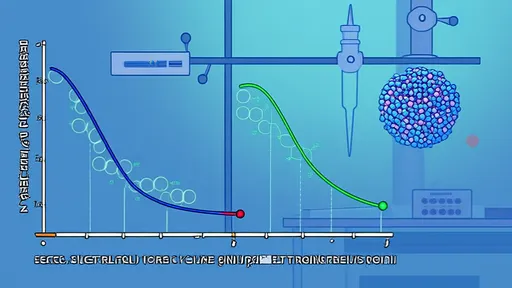
From a scientific perspective, the effectiveness of sealed cooking can be explained through the concept of equilibrium. In a closed system, volatile compounds reach a state where the rate of evaporation equals the rate of condensation. As the food releases volatiles, the concentration of these molecules in the headspace increases until equilibrium is achieved. At this point, no net loss of volatiles occurs, and the flavors are maximally preserved. This principle is harnessed in modern cooking technologies such as combi ovens or pressure cookers, which use sealed chambers to control temperature and pressure precisely, further enhancing volatile retention. Studies in food science have demonstrated that sealed methods can significantly increase the concentration of key aroma compounds in finished dishes compared to open methods, validating the empirical observations of chefs and cooks.
Despite its benefits, sealed cooking is not without challenges. One potential drawback is the risk of over-concentration, where certain strong flavors or off-notes become too pronounced due to the trapped environment. For instance, sulfur compounds in some vegetables, like cabbage or Brussels sprouts, can become overwhelming if cooked sealed for too long, leading to undesirable tastes. Additionally, the lack of evaporation in sealed cooking means that sauces or reductions may not thicken as they would in open pans, requiring alternative techniques to achieve the desired consistency. However, these issues can be mitigated through careful timing, temperature control, and occasionally venting the seal towards the end of cooking to balance flavors.
In conclusion, the relationship between sealed cooking and volatile capture is a cornerstone of modern culinary science. By understanding and leveraging this connection, cooks can significantly enhance the flavor and aroma of their dishes. The ability to trap and reuse volatile compounds transforms cooking from a process of potential loss to one of conservation and intensification. Whether through simple methods like lidding a pot or advanced techniques like sous-vide, sealed cooking offers a powerful tool for achieving deeper, more complex flavors. As research in food technology continues to evolve, the principles of volatile retention will undoubtedly inspire further innovations, cementing sealed cooking's role as an essential practice in the art and science of cooking.
By /Aug 29, 2025
By /Aug 29, 2025
By /Aug 29, 2025

By /Aug 29, 2025
By /Aug 29, 2025
By /Aug 29, 2025
By /Aug 29, 2025
By /Aug 29, 2025
By /Aug 29, 2025

By /Aug 29, 2025
By /Aug 29, 2025
By /Aug 29, 2025
By /Aug 29, 2025
By /Aug 29, 2025
By /Aug 29, 2025
By /Aug 29, 2025
By /Aug 29, 2025
By /Aug 29, 2025
By /Aug 29, 2025

By /Aug 29, 2025
