The chemical evolution of pine resin represents one of nature's most fascinating transformation stories, where simple terpenoid compounds undergo complex oxidative polymerization processes to form materials with entirely new properties. This journey from viscous exudate to hardened geological material involves intricate chemical pathways that have captured the attention of chemists, materials scientists, and paleontologists alike. The study of terpenoid oxidation and polymerization not only reveals nature's sophisticated chemistry but also provides valuable insights for developing sustainable biomaterials.
Pine resins, primarily composed of terpenoid compounds, serve as the protective sealants for coniferous trees. When a tree suffers injury, it exudes this viscous substance to seal wounds and prevent microbial invasion. The initial composition varies among species but typically includes monoterpenes (C10), sesquiterpenes (C15), and diterpenes (C20). These compounds possess reactive functional groups and double bonds that make them particularly susceptible to oxidation reactions when exposed to atmospheric oxygen.
The oxidation process begins almost immediately after resin exudation. Atmospheric oxygen attacks the electron-rich double bonds and allylic positions in terpenoid molecules, initiating autoxidation chain reactions. This stage involves the formation of hydroperoxides, which subsequently decompose to generate free radicals that propagate further oxidation. The specific oxidation pathways depend on the molecular structure of each terpenoid component, with compounds like abietic acid (a common diterpene) undergoing particularly complex transformations involving dehydrogenation and rearrangement reactions.
As oxidation progresses, the molecular weight of resin components increases through polymerization reactions. The free radicals generated during oxidation serve as initiators for polymerization, causing terpenoid molecules to link together through carbon-carbon bonds. This process transforms the low-molecular-weight terpenes into macromolecular networks. The rate and extent of polymerization are influenced by environmental factors including temperature, humidity, and light exposure, which explains why resins from different geographical regions exhibit varying chemical evolution patterns.
The polymerization process follows several mechanistic pathways, including radical coupling, Diels-Alder reactions, and electrophilic aromatic substitutions. Monoterpenes tend to polymerize through radical mechanisms, while diterpenes often undergo more complex cyclization and rearrangement reactions during polymerization. The resulting macromolecular structures develop increasing cross-linking over time, gradually transforming the material from a tacky, soluble substance to a hard, insoluble polymer network.
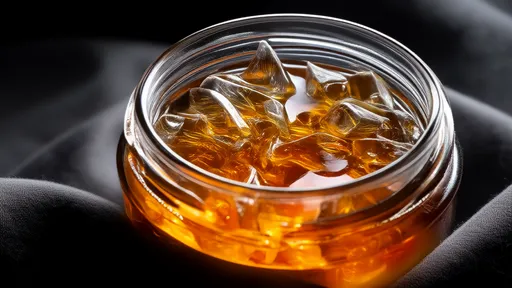
Throughout this chemical evolution, the material undergoes significant changes in physical properties. The initially soft and sticky resin gradually hardens, loses its volatility, and becomes increasingly resistant to chemical degradation. This transformation occurs through stages known as fresh resin, recent resin, subfossil resin, and ultimately fossil resin or amber. The complete transformation from fresh resin to amber may require millions of years under suitable geological conditions, though laboratory studies have shown that accelerated aging can reproduce many of the chemical changes observed in natural samples.
The study of terpenoid oxidation and polymerization has significant implications beyond understanding natural resin evolution. Researchers are investigating these processes to develop sustainable polymers and coatings inspired by nature's designs. The ability to create hardened materials from renewable plant-based terpenes offers promising alternatives to petroleum-derived plastics. Furthermore, understanding the chemical changes in aging resins helps conservators and archaeologists properly preserve and date resin-based artifacts and inclusions.
Advanced analytical techniques have revolutionized our understanding of these complex processes. Nuclear magnetic resonance spectroscopy, mass spectrometry, and thermal analysis methods allow scientists to characterize the molecular changes occurring during resin maturation. These techniques have revealed that the oxidation and polymerization processes proceed through multiple parallel pathways, creating highly complex molecular architectures that continue to evolve over geological timescales.
Environmental factors profoundly influence the chemical evolution of pine resins. Resins exposed to sunlight undergo photoxidation processes that differ from those occurring in buried or submerged specimens. Temperature affects reaction rates, with warmer conditions accelerating oxidation and polymerization. The presence of moisture can lead to hydrolysis reactions that alter the degradation pathway. These environmental influences create distinctive chemical signatures that scientists can use to determine the geological history and provenance of resin samples.
The biological aspects of resin chemistry cannot be overlooked. Trees produce complex mixtures of terpenoids that serve ecological functions beyond simple wound sealing. Some compounds exhibit antimicrobial, antifungal, or insect-repellent properties. During chemical evolution, these biological activities may persist or transform, contributing to the preservative qualities that make amber such an exceptional medium for fossil preservation. The interaction between the original biological functions and subsequent chemical changes represents an intriguing area of ongoing research.
Modern applications of terpenoid polymerization knowledge extend to various industries. Paint and coating manufacturers study these natural processes to develop improved drying oils and varnishes. Adhesive companies seek inspiration from nature's ability to create strong, durable bonds from renewable resources. The fragrance and flavor industry must understand oxidation pathways to prevent undesirable changes in terpene-based products. Even the pharmaceutical industry investigates oxidized terpenoids for potential biological activities.
Despite significant advances, many aspects of terpenoid oxidation and polymerization remain incompletely understood. The extreme complexity of the reaction mixtures, with hundreds of compounds undergoing simultaneous transformations, presents analytical challenges. The long timescales involved in natural resin maturation make direct observation difficult, requiring researchers to rely on accelerated aging experiments and the examination of samples of different ages. Future research will likely focus on elucidating specific reaction mechanisms and developing computational models to predict resin evolution under various conditions.
The study of pine resin chemical evolution beautifully illustrates how simple natural compounds can undergo complex transformations to create materials with remarkable properties. From the fresh resin that protects living trees to the ancient amber that preserves prehistoric life, this chemical journey spans biological, geological, and materials science disciplines. As research continues to unravel the intricacies of terpenoid oxidation and polymerization, we gain not only deeper understanding of natural processes but also valuable inspiration for developing sustainable technologies for the future.

By /Aug 27, 2025

By /Aug 27, 2025

By /Aug 27, 2025

By /Aug 27, 2025
By /Aug 27, 2025

By /Aug 27, 2025

By /Aug 27, 2025

By /Aug 27, 2025
By /Aug 27, 2025

By /Aug 27, 2025

By /Aug 27, 2025
By /Aug 27, 2025

By /Aug 27, 2025

By /Aug 27, 2025

By /Aug 27, 2025

By /Aug 27, 2025
By /Aug 27, 2025

By /Aug 27, 2025

By /Aug 27, 2025
By /Aug 27, 2025
